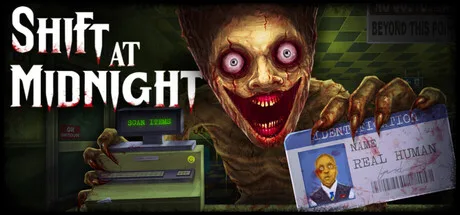
Punch In For Terror: A Beginner's Guide to Surviving Shift At Midnight
Alright, night-shifter. You've clocked in for your first tour at Shift At Midnight, and if you're feeling a bit uneasy about this quiet, increasingly unsettling establishment, you're in good company. This isn't just a job; it's a gauntlet of nerves, sharp eyes, and quick decisions. Forget your typical workday; this is survival horror disguised as a graveyard shift. This guide is here to give you the basics, not just to survive, but maybe even to conquer the night as the clock grinds towards dawn.
Shift At Midnight nails the creepy atmosphere, blending boring work with a constant thrum of fear. The tension builds slowly, making every shadow and creak feel like a direct threat. You won't be fighting monsters head-on here. Instead, you'll need to know your surroundings, manage your few supplies, and most importantly, keep your head when everything else screams panic. So, dim the lights, put on your headphones, and punch in. We've got a long night ahead.
Clocking In: Your First Night's Toolkit
Your first few minutes, or even hours, will probably be quiet. That's intentional. Use this valuable downtime to really learn your space. Whether you're alone at a gas station, a convenience store clerk, or a security guard in an abandoned warehouse, knowing your layout is key. Pinpoint the important spots: your main control area (the counter, surveillance room, or office), any backrooms, storage, utility closets, and especially your exits—both the main one and any others.
Your early tasks will be routine. You might monitor cameras, straighten shelves, serve phantom customers (or real ones, if business is still happening), or do security patrols. Pay close attention to how these tasks work. When you check the cameras, for instance, what exactly are you looking for? Is it movement, something out of place, or tiny environmental changes? Don't just tick boxes; engage with these duties. They often act as your earliest warning system.
Resource management is a quiet but critical part of the job. This isn't just about the physical stuff on the shelves. It covers things like your flashlight's battery life, the stability of the building's power, or even your character's rising stress levels. Save what you can, and know when you absolutely have to use something. A dead flashlight in a pitch-black corridor can be deadly. A flickering light might signal something far worse than a faulty bulb. Learning to read these visual and auditory cues is your best defense against whatever is lurking.
The Unseen Hour: Navigating the Dread
As the hours tick by, the mood will definitely change. Those subtle hints will get louder, and the game will start to test your limits. This is where Shift At Midnight truly shows its teeth, turning everyday duties into life-or-death choices. Recognizing and understanding small threats before they blow up will be your key to survival. Did you just hear a floorboard creak in an empty room? Was that a shadow moving at the edge of your camera feed? Is that object on the shelf slightly different from how you left it?
The game builds tension brilliantly with ambient sound and environmental clues. Note every distant thud, every whisper of wind, every unexpected flicker of lights. Don't write these off as just background noise. Often, they're direct warnings, either pushing you toward or pulling you away from danger. When the jump scares or intense moments inevitably hit, take a breath. Panicking can lead to stupid mistakes, like running headlong into a threat or messing up a crucial task. Try to separate your own fear from your character's need to survive and execute their actions.
Dealing with whatever unseen presence is out there usually means observing and finding patterns. Does a specific sound always happen before a certain event? Is there a spot you can duck into when things get too intense? Some threats might demand a direct response, like hiding or performing a specific counter-measure. Others might just require you to look away or keep working as if nothing is happening, hoping to outlast them. The main challenge often isn't fighting back, but managing your reactions and presence in their vicinity.
Beyond Survival: Mastering the Midnight Shift
Just surviving your first few shifts is an accomplishment, but really mastering Shift At Midnight means streamlining your routine and figuring out the deeper game systems. Once you know the basic scares and threats, start refining your approach. Can you finish your tasks faster, leaving less time for vulnerability? Are there specific paths or sequences of actions that keep you safer? Timing becomes everything—knowing when to patrol, when to check cameras, and when to just stay put can be the difference between seeing the sunrise and becoming another permanent fixture of the night.
Like many atmospheric horror games, Shift At Midnight likely hides subtle lore and narratives for you to discover. Look for notes, audio logs, or environmental details that seem out of place. These often explain the unsettling events you're experiencing, or even suggest different ways to survive. The story here is probably as cryptic as its setting, and players who dig deeper into its mysteries will find more to unpack. You might find multiple endings based on your choices, or higher difficulty levels that introduce new threats and twists.
Ultimately, Shift At Midnight is about sustained tension and psychological horror. It pushes you to be observant, careful, and to trust your gut (or second-guess it, depending on the game!). Don't let early failures get you down; every failed shift is a chance to learn. Adjust your plan, brace yourself, and remember that even in the darkest hours, dawn eventually comes... if you can just hold out. Good luck, and try not to spill the coffee.